

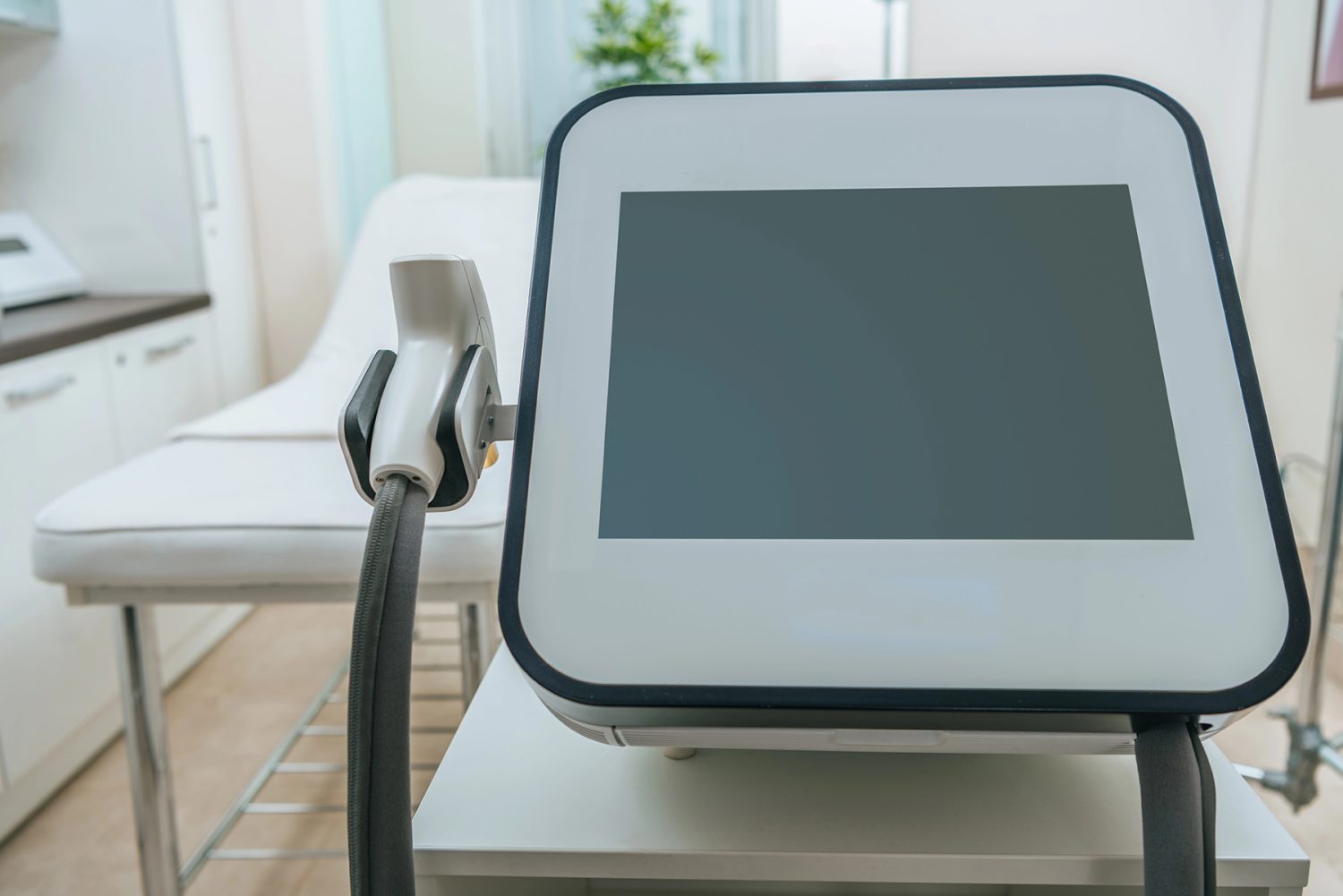
Two used laser machines with the same model name can be very different purchases. One may have a documented service history, recent handpiece work and years of manufacturer support left. The other may be cheaper because a costly component is close to replacement and nobody has the paperwork.
Table Of Content
- Match the system to the work you plan to do
- Check the exact model and configuration
- Read the service history like a timeline
- Understand what the usage counter is measuring
- Inspect the parts that take day-to-day wear
- Test the machine with a competent person
- Find out whether it can still be supported
- Check documents, markings and intended use
- Cost the first year, not just the invoice
- Compare the price against real alternatives
- Make the final check boringly specific
The useful comparison is not simply new versus used. It is the condition, support and running cost of one specific machine against another.
Match the system to the work you plan to do
Start with the treatment requirement rather than a brand name. Check the technology, wavelengths, handpieces and treatment modes needed for your clinic, then compare machines that genuinely meet that brief.
For example, buyers can compare current hair removal lasers, tattoo removal machines, IPL systems and skin treatment equipment separately. This avoids paying for functions you will not use or discovering later that a handpiece you need was optional.
Check the exact model and configuration
Manufacturers often sell several versions of a platform over its lifetime. A model name on the front panel may not tell you which handpieces, software options or power configuration are installed.
Ask for a clear photograph of the serial plate and screenshots of the system information where available. Confirm:
- year of manufacture and serial number
- installed handpieces and wavelengths
- software or firmware version
- electrical supply requirements
- cooling equipment and accessories included
- any optional modules that are activated on that particular unit
If a feature is important to your purchase, get confirmation for that machine. Do not rely on a brochure for a different year or specification.
Read the service history like a timeline
Service records should tell a story. Look at dates, engineers, parts replaced, calibration notes and recurring faults. A long gap does not prove neglect, but it is something to ask about.
Pay particular attention to expensive components: laser sources, lamps, diodes, handpieces, optical assemblies, pumps and cooling components. Ask whether replacements were new, refurbished or repaired, and whether any warranty remains on the work.
A machine with a higher shot count but strong records can be easier to assess than a supposedly low-use machine with no supporting documents.
Understand what the usage counter is measuring
Shot count is useful, but it is not a universal measure of condition. Some systems count pulses at the main unit, some record individual handpiece use, and some components have their own counters. Ask what the number on the listing actually represents.
Operating hours can matter too, particularly for cooling systems and other components that run whenever the machine is switched on. Compare the counter with the service history and the seller’s description of how the system was used.
Inspect the parts that take day-to-day wear
Cosmetic damage is easy to photograph. Functional wear can be less obvious. Inspect handpiece cables, connectors, foot pedals, treatment windows, touchscreens, wheels, hinges, keys, emergency-stop controls and cooling connections.
Ask about any cracks, repaired cables, intermittent buttons, leaks, error messages or parts held in place with temporary fixes. None of these automatically decides the purchase, but they should be reflected in the price and repair plan.
Test the machine with a competent person
Where practical, arrange an inspection by somebody familiar with the equipment. A proper assessment may include startup, error logs, cooling behaviour, output checks and the operation of the included handpieces. The scope depends on the system and what can be tested safely.
High-power laser equipment needs suitable safety controls. HSE’s guidance on lasers at work explains the risks to eyes and skin and the importance of trained, authorised people for relevant maintenance and repair work.
Find out whether it can still be supported
An older machine can remain useful for years if parts and competent engineers are available. A much newer unit can become awkward if the manufacturer no longer supports that version or software access cannot be transferred.
Before buying, contact the manufacturer or an established service company. Ask whether they will service that serial number, whether parts are still supplied, and what a typical service or common repair costs. If a proprietary handpiece is essential, ask for its current replacement price.
Check documents, markings and intended use
Ask for the user manual, declaration or conformity documents where relevant, original purchase paperwork if available, and service records. Check that labels are present and legible.
The legal position depends on the type of equipment and how it is supplied. HSE’s guidance on UK product supply law covers machinery and electrical equipment, while the MHRA provides separate medical device safety guidance. If you are unsure which rules apply to the machine or your intended use, get competent advice before purchase.
Cost the first year, not just the invoice
Add the spending that is likely to follow the purchase. That can include transport, installation, engineer inspection, training, insurance, consumables, cooling fluid, replacement filters, handpiece refurbishment and any electrical work at your premises.
A machine priced at £8,000 with an immediate £3,000 handpiece bill is not really an £8,000 purchase. Ask for quotes before you agree the deal.
Compare the price against real alternatives
Look for the same model, then similar machines that perform the same job. Age and condition matter, but so do included accessories and recent work. A trolley, chiller, extra handpiece or recent major component replacement can materially change the comparison.
Current listings on the Buy And Sell Lasers marketplace can give you a starting point. Asking prices are not the same as completed sale prices, so use them as one piece of evidence rather than a fixed valuation.
Make the final check boringly specific
Before paying, write down the make, model, serial number, agreed condition, known faults, included accessories, collection or delivery terms and price. Make sure the machine being collected is the one you inspected.
For seller checks, payment precautions and transaction paperwork, read How to Buy a Pre-Owned Cosmetic Laser Safely. If the numbers and documents still make sense after both sets of checks, you have a much clearer basis for deciding whether the machine is worth buying.