

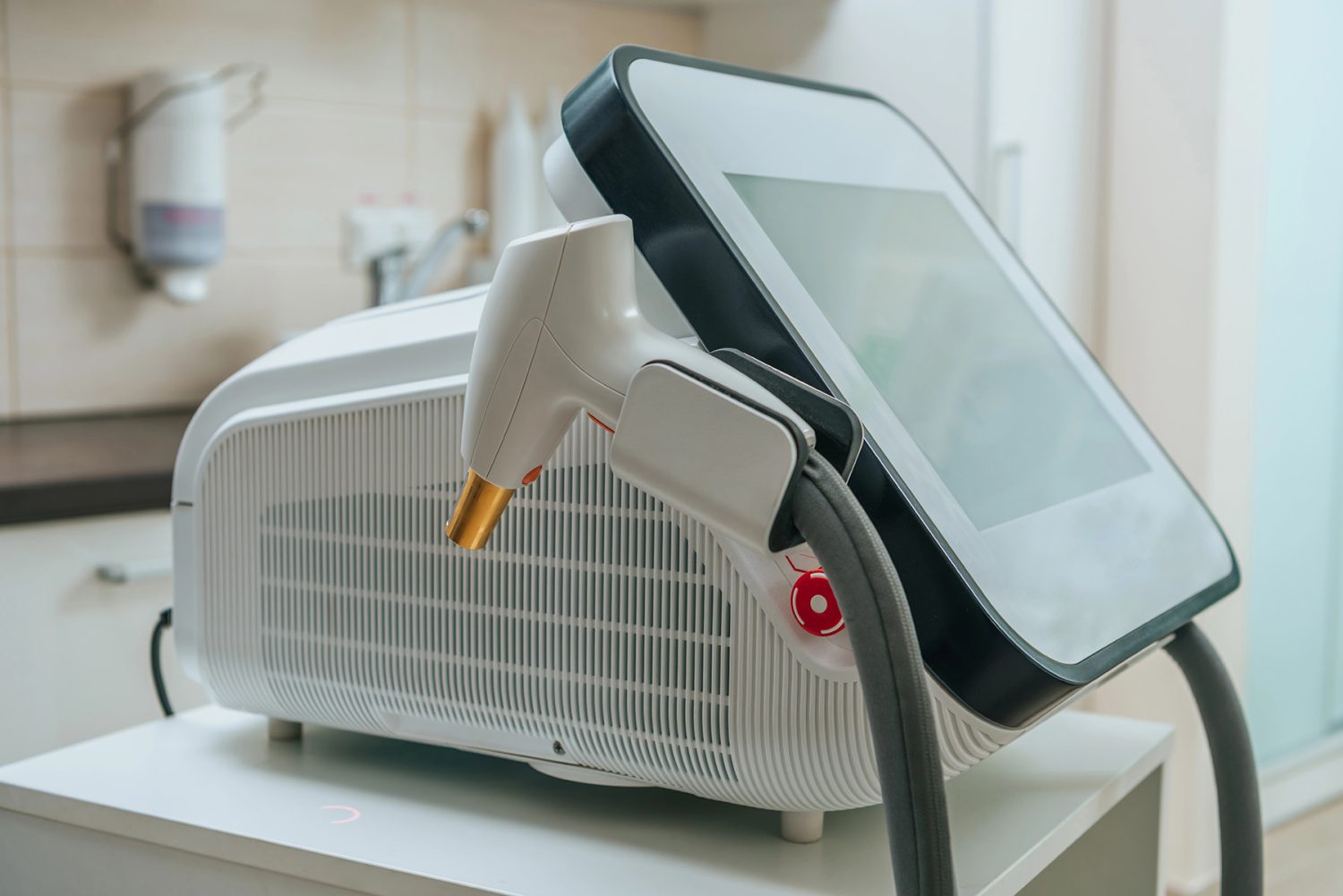
The strongest laser listing starts before the camera comes out. Find the serial number, service reports, handpiece details and the accessories that actually belong with the machine. Buyers will ask for them, and a clear answer is much easier than trying to reconstruct the history halfway through a negotiation.
Table Of Content
- Gather the machine’s records first
- Record the exact specification
- Clean it, but do not disguise the condition
- Take photographs that answer questions
- Write the listing like an equipment record
- Set a price using comparable equipment
- Be ready to demonstrate the machine safely
- Answer buyer questions with documents where possible
- Check the regulatory and product information you need to pass on
- Agree the handover before collection day
- Put the listing in front of the right buyers
Selling specialist equipment is mostly about removing uncertainty. The more precisely you describe the machine, the easier it is for a serious buyer to decide whether it fits their clinic.
Gather the machine’s records first
Put the paperwork in one place before you write the advert. Useful records can include the original invoice, user manual, service reports, calibration documents where supplied, invoices for major repairs, handpiece replacement records and any current warranty information.
Check that serial numbers and model references agree across the documents. If something is missing, say so. A straightforward gap in the history is better than wording that suggests paperwork exists when it does not.
Record the exact specification
Write down the make, model, year, serial number, wavelengths or treatment technologies, handpieces, spot sizes, software version where relevant, electrical requirements, shot counts or operating hours, and the accessories included in the sale.
Be careful with model families. A brochure may describe optional functions that are not installed on your particular unit. Only advertise the configuration you can verify.
Looking at similar hair removal laser, tattoo removal or IPL listings can help you see which technical details buyers expect to find.
Clean it, but do not disguise the condition
A clean machine photographs better and is easier to inspect. Follow the manufacturer’s instructions for cleaning screens, handpieces, treatment windows and exterior surfaces. Do not use abrasive products on optics or attempt service work that should be done by a trained technician.
Photograph wear rather than hiding it. A chipped panel, marked trolley or scratched casing is easier to discuss when the buyer can see it from the start. The same applies to known faults. State them clearly and explain whether you have a repair quotation or engineer’s report.
Take photographs that answer questions
Start with full views from several angles, then move closer. Useful images include the control screen while the machine is running, serial plate, handpieces, connectors, cables, foot pedal, keys, cooling unit, accessories and any cosmetic damage.
A row of nearly identical front-facing photos wastes space. Use each image to show something different.
If the system records shot counts or operating hours, photograph the relevant screen. If a handpiece has its own counter, capture that separately.
Write the listing like an equipment record
The opening paragraph only needs to establish what is being sold, its condition and where it is located. Then give the buyer the facts in a format they can scan.
- Make and model: use the manufacturer’s exact name.
- Year: use the year of manufacture where known, not the year you bought it.
- Condition: describe both cosmetic and working condition.
- Usage: include verified shot counts or operating hours and explain what the counter represents.
- Service history: give the last service date and mention whether reports are available.
- Included items: list every handpiece and important accessory.
- Known faults: say what is wrong without minimising it.
- Location and delivery: state whether collection, pallet delivery or another arrangement is expected.
Avoid claims you cannot support. Phrases such as “barely used” or “fully serviced” are much stronger when followed by a counter reading or dated report.
Set a price using comparable equipment
Find the closest matches you can: same model, similar age, comparable handpieces and broadly similar usage. Then adjust for service history, condition, recent major parts and what is included.
Do not add the original purchase price to the advert as though it fixes today’s value. It can provide context, but buyers will compare the machine with the alternatives available now.
Browse the current marketplace for comparable asking prices. If there are no close matches, look at service costs and replacement handpiece prices as well. Those numbers affect what a buyer can sensibly pay.
Be ready to demonstrate the machine safely
A serious buyer may ask for an in-person demonstration or a live video call. Have the machine accessible, connected correctly and accompanied by somebody competent to operate it.
Show startup, the control screen, included handpieces, counters and cooling status where applicable. Do not improvise treatment demonstrations or open covers to satisfy a buyer. HSE’s laser safety guidance explains the risks from high-power lasers and the need for suitable controls.
Answer buyer questions with documents where possible
If somebody asks when the machine was last serviced, send the relevant report rather than paraphrasing it from memory. If they ask which handpiece is included, send a photograph of its label. This keeps the conversation factual and reduces misunderstandings.
Expect questions about parts availability, manufacturer support, software access, training, consumables and moving the equipment. You do not need to know every answer, but do not guess. Point the buyer to the manufacturer or service provider when necessary.
Check the regulatory and product information you need to pass on
The rules that apply depend on the equipment and the nature of the sale. Keep conformity markings, declarations, manuals and safety information with the machine where they are available.
HSE publishes guidance on UK law covering the design and supply of products. If the equipment is a medical device, the MHRA’s medical device guidance explains the current UK framework. If you are uncertain about your obligations as a seller or business, get suitable professional advice.
Agree the handover before collection day
Large aesthetic machines can be awkward to move. Agree who is responsible for disconnection, packing, loading, specialist transport and insurance while the machine is in transit. If an engineer needs to de-install it, arrange that in advance.
Use a written invoice or sale agreement identifying the machine by make, model and serial number. List the price, included items, known faults, VAT position where applicable and the agreed collection or delivery terms.
At handover, photograph the machine and accessories being transferred. Give the buyer the manuals and service documents included in the agreement, and keep a copy of the signed paperwork for your records.
Put the listing in front of the right buyers
General marketplaces can work, but specialist equipment benefits from an audience already looking for laser and aesthetic systems. The Sell Your Laser page lets you submit the details for a marketplace listing.
Once the listing is live, share that page with professional contacts rather than rewriting different versions of the advert in several places. One detailed source makes it easier to keep the price, condition and included items consistent.
If you want to see the questions a careful buyer is likely to ask, read How to Buy a Pre-Owned Cosmetic Laser Safely. Preparing those answers before the first enquiry usually makes the sale easier to manage.